
Bengal cats are truly special companions—intelligent, energetic, and strikingly beautiful with their leopard-like markings. However, these miniature wildcats can sometimes express their excitement or frustration through biting, leaving owners puzzled and sometimes sporting battle scars from playtime gone wrong.
If you’ve found yourself dealing with a Bengal who thinks your hands and feet are chew toys, you’re not alone. Many Bengal owners face this challenge, especially during their cat’s kitten months when everything seems like fair game for those needle-sharp teeth.
The good news is that Bengal cats are incredibly smart and trainable. With the right approach, patience, and understanding of their unique personality traits, you can successfully teach your Bengal to keep their teeth to themselves while maintaining their playful, loving nature.
At Lone Star Bengal Cats in Dallas, Fort Worth, Texas, we’ve helped countless families understand and train their Bengal companions. Through years of breeding award-winning Bengal cats and supporting new owners, we’ve learned that successful bite training starts with understanding why these beautiful cats bite in the first place.
Understanding Your Bengal’s Wild Heritage
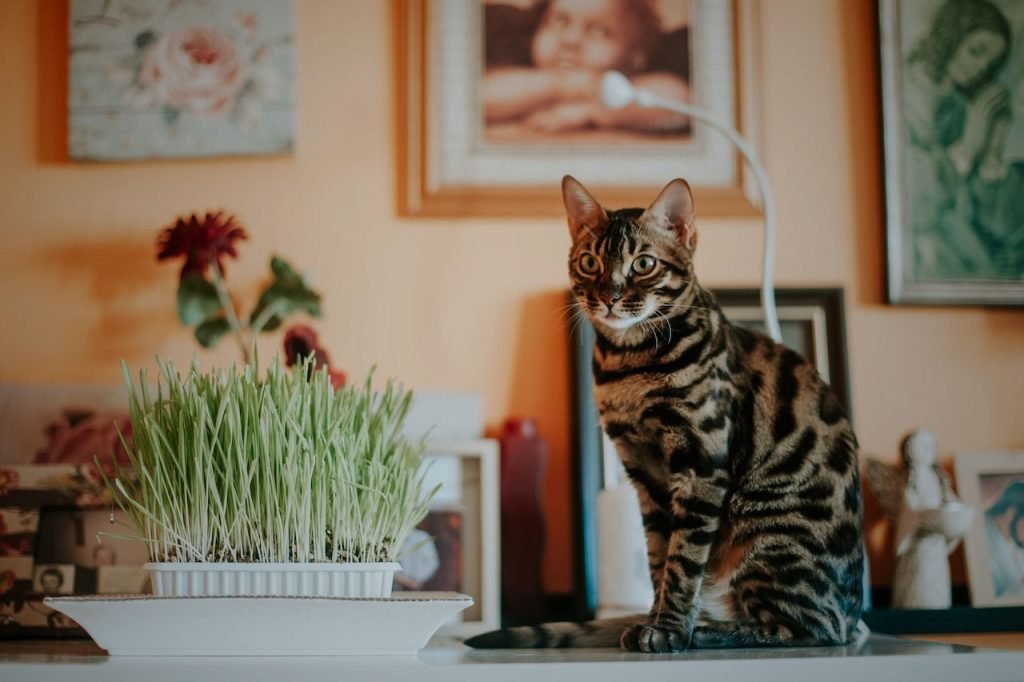
Bengal cats carry the genes of their wild Asian Leopard Cat ancestors, which gives them their stunning appearance and energetic personalities. This heritage also means they have strong hunting instincts and high energy levels that need proper outlets.
Unlike many domestic cat breeds that might simply walk away when annoyed, Bengals are more likely to communicate their feelings directly—sometimes with their teeth. This isn’t aggression in the traditional sense; it’s their way of setting boundaries or expressing excitement, frustration, or discomfort.
Understanding this fundamental difference in communication style is the first step toward successful training. Your Bengal isn’t trying to hurt you; they’re using the tools they have to express themselves in the only way they know how.
Common Reasons Why Bengal Cats Bite
- Boredom and Lack of Mental Stimulation: A bored Bengal is often a destructive Bengal. These intelligent cats need constant mental and physical challenges to stay happy and well-behaved. When they don’t get enough stimulation, they may create their own entertainment—which can include biting, scratching furniture, or knocking things off counters.
- Stress and Agitation: Changes in routine, new environments, loud noises, or too much handling can stress Bengal cats. Unlike some breeds that hide when stressed, Bengals may become defensive and use biting as a way to communicate their discomfort.
- Pain or Medical Issues: Sometimes biting behavior indicates underlying health problems. If your normally gentle Bengal suddenly becomes bitey, especially when touched in certain areas, a veterinary check-up is essential to rule out pain or illness.
- Territorial Behavior: Bengals can be quite territorial, especially around food, favorite toys, or their preferred sleeping spots. They may bite to protect what they consider theirs or to establish dominance in multi-pet households.
- Overstimulation During Play: Bengals have incredibly high energy levels and can become overstimulated during play sessions. When they get too excited, their natural hunting instincts kick in, and they may grab or bite whatever triggered their excitement—often your hand or foot. This is especially common if you’ve been using your hands as toys during play. While it might seem harmless when they’re tiny kittens, this behavior becomes problematic as they grow larger and stronger.
Reading Your Bengal’s Warning Signs
Bengal cats are excellent communicators if you know how to read their body language. Learning to recognize the early warning signs can help you prevent biting incidents before they occur.
- Tail Movements Tell the Story: The tail is your Bengal’s mood barometer. Quick, sharp movements or aggressive twitching indicate overstimulation or agitation. A slowly swishing tail suggests they’re getting worked up, while a still, rigid tail often means they’re focused and potentially ready to pounce.
- Eyes and Ears Reveal Emotions: Dilated pupils, especially in normal lighting, indicate high arousal or stress. Flattened ears against the head signal fear, anger, or defensive behavior. Direct, unblinking stares at your hands or feet often precede a bite attempt.
- Vocal Communications: Pay attention to changes in your Bengal’s vocalizations. Long, loud meows might indicate frustration or boredom. Growling or hissing are clear warnings that your cat is uncomfortable and may bite if the situation continues.
- Body Posture Changes: A Bengal preparing to bite may crouch low, with muscles tensed for action. They might also exhibit restless pacing, knocking objects around, or showing an inability to settle in one spot.
Effective Training Strategies to Stop Biting
Eliminate Hand Play Immediately
The most important rule for preventing Bengal biting is never use your hands, fingers, or feet as toys. This applies from kittenhood through adulthood. When you use your hands for play, you’re teaching your Bengal that human body parts are appropriate targets for their hunting instincts.
Instead, always use appropriate toys like feather wands, laser pointers (with a treat finish), or interactive puzzle toys. This redirects their natural hunting behavior toward suitable objects while keeping your hands safe.
Implement the “Stop and Walk Away” Method
When your Bengal bites during play or petting, immediately stop all interaction and calmly walk away. Don’t pull your hand away quickly, as this can trigger more aggressive play behavior. Instead, remain calm and slowly remove yourself from the situation.
This teaches your Bengal that biting ends all fun activities. Consistency is crucial—every family member must follow the same approach for this method to work effectively.
Create a Stimulating Environment
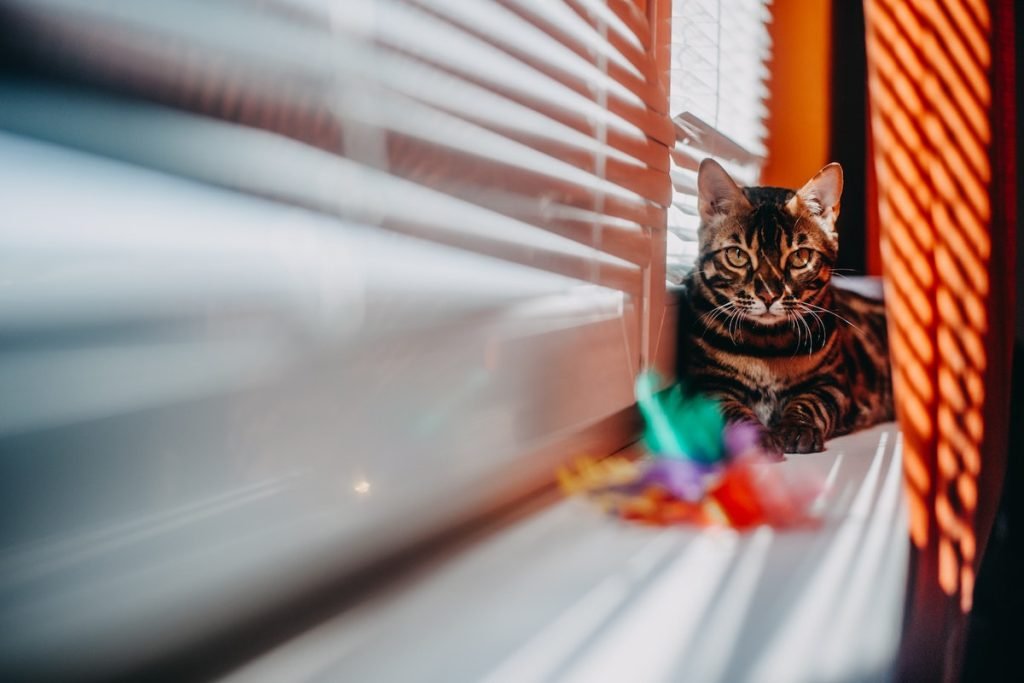
Prevent boredom-related biting by providing plenty of mental and physical stimulation. Bengal cats need at least two 30-minute active play sessions daily, plus ongoing environmental enrichment.
Set up vertical climbing spaces with cat trees, wall shelves, and platforms. Rotate toys regularly to maintain novelty. Use puzzle feeders and treat-dispensing toys to engage their problem-solving abilities. Consider getting a companion cat, as Bengals often thrive with feline friends who can match their energy levels.
Practice Gentle Desensitization
Help your Bengal become comfortable with human touch through gradual desensitization. Start when they’re relaxed or sleepy, gently petting areas they enjoy. Watch carefully for signs of overstimulation and stop before they reach their threshold.
During meal times, try gentle touches while they eat, gradually working up to more sensitive areas like the head and belly. This creates positive associations between human touch and good experiences.
Establish Consistent Routines
Bengals thrive on predictability. Establish regular feeding times, play sessions, and sleep schedules. This reduces anxiety and helps your cat feel secure, which can significantly decrease defensive biting behaviors.
Managing Overstimulation
Learning to recognize and manage overstimulation is crucial for Bengal owners. These cats can go from calm to overly excited very quickly, especially during play sessions.
Watch for the warning signs: rapid tail movements, intense focus on your hands, or sudden changes in play style from gentle to rough. When you notice these signs, immediately stop the interaction and give your Bengal time to calm down.
Never try to calm an overstimulated Bengal by continuing to pet or play with them. This usually makes the situation worse and increases the likelihood of being bitten.
Positive Reinforcement Techniques
Reward good behavior immediately and consistently. When your Bengal plays gently or allows petting without biting, offer praise, treats, or their favorite activities. This reinforces the behaviors you want to see more often.
Avoid punishment-based training methods, which can increase fear and defensive behaviors in Bengal cats. Instead, focus on redirecting unwanted behaviors and rewarding appropriate ones.
When to Seek Professional Help
If your Bengal’s biting behavior is severe, sudden in onset, or doesn’t improve with consistent training, consult with a veterinarian or certified animal behaviorist. Some biting issues may have underlying medical causes that require professional treatment.
Additionally, if you’re dealing with aggression rather than playful or overstimulated biting, professional guidance can help you develop a safe and effective training plan.
The Importance of Early Socialization
Kittens who spend their first 12-16 weeks with their mothers and littermates learn crucial bite inhibition skills naturally. Mother cats teach their kittens appropriate play behavior, including how to control the force of their bites.
If you’re getting a Bengal kitten, choose a reputable breeder who allows kittens to stay with their mothers for adequate socialization periods. This early learning makes training much easier later on.
Building a Stronger Bond
Remember that training your Bengal not to bite isn’t just about stopping unwanted behavior—it’s about building a stronger, more trusting relationship with your cat. When you understand their communication style and respond appropriately, you’re showing respect for their needs and preferences.
This mutual understanding creates a deeper bond and often results in a more affectionate, well-behaved companion who trusts you to recognize and respect their boundaries.
Your Partner in Bengal Success
Training a Bengal cat requires patience, consistency, and understanding of their unique personality traits. While it may take several weeks or even months to see significant improvement, the effort is worth it for the loving, gentle companion your Bengal can become.
At Lone Star Bengal Cats, we’re committed to helping Bengal families succeed. Our award-winning breeding program focuses not just on producing beautiful cats, but on raising well-socialized kittens who make wonderful family companions.
Whether you’re looking for your first Bengal kitten or need guidance with your current Bengal’s behavior, we’re here to help. Our experience with these remarkable cats has taught us that with the right approach, every Bengal can learn to be both playful and gentle.
Ready to find your perfect Bengal companion or get expert advice on training your current cat? Contact Lone Star Bengal Cats at 817-602-4807 or email marla@lonestarbengals.com. Let us help you experience the joy of sharing your life with a well-trained, loving Bengal cat.
