

Many cat lovers who suffer from allergies often search for a “hypoallergenic” breed. Bengal cats often come up in those searches, with people hoping these spotted beauties can offer the joy of feline companionship without the sneezing, itching, or watery eyes. But before you decide, it’s important to understand what “hypoallergenic” really means, and whether Bengals truly fit the description.
What Hypoallergenic Really Means
The term “hypoallergenic” can be misleading. It doesn’t mean allergy-free. Instead, it means something is less likely to cause an allergic reaction. For cats, the main allergy trigger isn’t fur, but a protein called Fel d 1. This protein is found in cat saliva, skin flakes, and urine. When cats groom themselves, the protein spreads onto their fur. From there, it ends up in the air, on surfaces, and sometimes directly into your nose or lungs.
So, while some breeds may shed less or carry lower levels of this protein, no cat is truly hypoallergenic, including Bengals.
Are Bengal Cats Better for Allergy Sufferers?
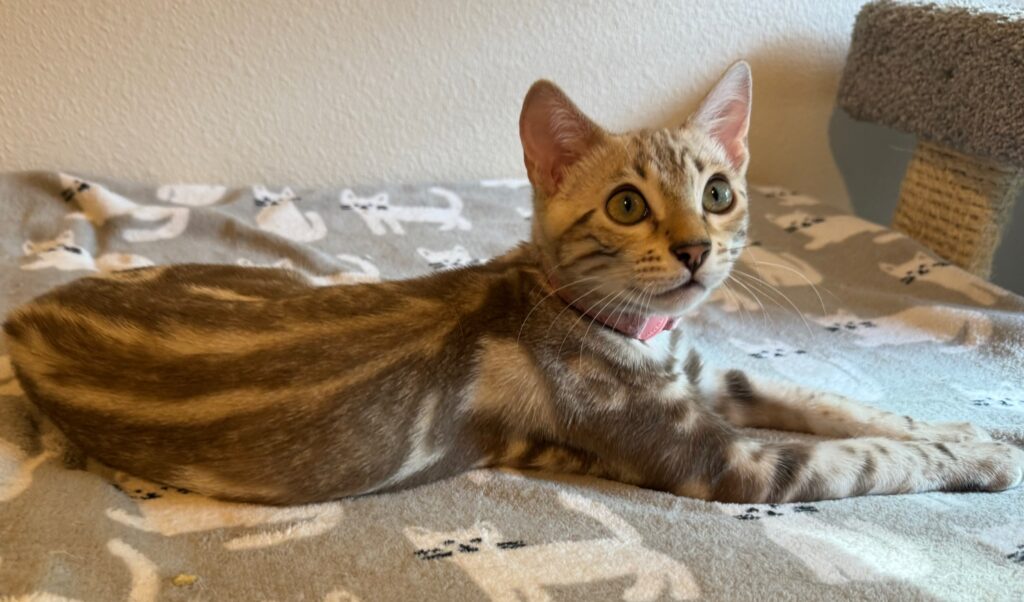
Even though Bengals aren’t completely hypoallergenic, they may still be easier on people with allergies compared to other breeds. One reason is their coat. Bengal cats have a short, dense, soft coat that doesn’t shed as much as longer-haired cats. Less shedding can mean fewer allergens floating around the house.
Some studies suggest that Bengals may also produce lower levels of the Fel d 1 protein. While this varies from cat to cat, it’s one reason some allergy sufferers find Bengals more tolerable than other cats. It’s important to remember that everyone reacts differently. A Bengal might not trigger one person’s allergies, but could still affect another.
How Allergies Work
If you’re wondering why some people react to cats and others don’t, it comes down to the immune system. For allergy sufferers, the body treats Fel d 1 as a harmful substance, even though it isn’t dangerous. The immune system responds by releasing chemicals like histamine, which causes symptoms like sneezing, coughing, itchy eyes, runny noses, and even asthma attacks.
Some people also break out in hives or skin rashes after petting a cat or being near one for too long. Reactions can range from mild discomfort to serious health issues. That’s why understanding your level of sensitivity is key before living with a Bengal.
Real Experiences from Bengal Cat Owners

Many Bengal cat owners who have mild allergies say they notice fewer symptoms around Bengals than other breeds. Some people report that they can live with Bengals comfortably, especially with a few lifestyle adjustments. Others experience occasional flare-ups but say it’s manageable and worth it for the companionship.
However, there are allergy sufferers who still react to Bengals the same way they would to any other cat. This highlights the importance of testing your reaction before bringing one home. Spending a few hours in the presence of a Bengal can help you understand how your body responds in a real-life setting.
Making Life Easier with a Bengal and Allergies
If you’re thinking about welcoming a Bengal into your home despite allergies, it helps to prepare. One simple step is to keep certain areas of your home cat-free, like the bedroom. This gives your body time to rest from exposure, especially while you sleep.
Improving air quality can also make a big difference. Air purifiers with HEPA filters are great at removing allergens from the air, and using a vacuum with the same kind of filter helps reduce dander in carpets and furniture. Regular cleaning, including washing your cat’s bedding and wiping down surfaces, can go a long way.
Bathing your cat isn’t always necessary, but gently wiping them down with a damp cloth a few times a week may help remove loose fur and dander. Many Bengals tolerate this better than full baths. Also, washing your hands after petting or handling your cat is a simple but effective way to minimize reactions.
Clothing can carry allergens too, especially after cuddling. Changing clothes after playing with your cat, or at least before heading out or going to bed, might reduce your symptoms.
Considering Medical Support
For allergy sufferers who are determined to live with a cat, there are medical options available. Allergy shots, also known as immunotherapy, help your body slowly build resistance to specific allergens, including those from cats. This process takes time, but many people see long-term improvement and fewer symptoms over the years.
Before starting this kind of treatment, it’s important to talk to an allergy specialist. They can help you decide whether immunotherapy or another treatment option is right for you. Not every solution works for every person, but exploring medical support can make cat ownership possible for many allergy-prone individuals.
Talking to a Breeder About Allergies
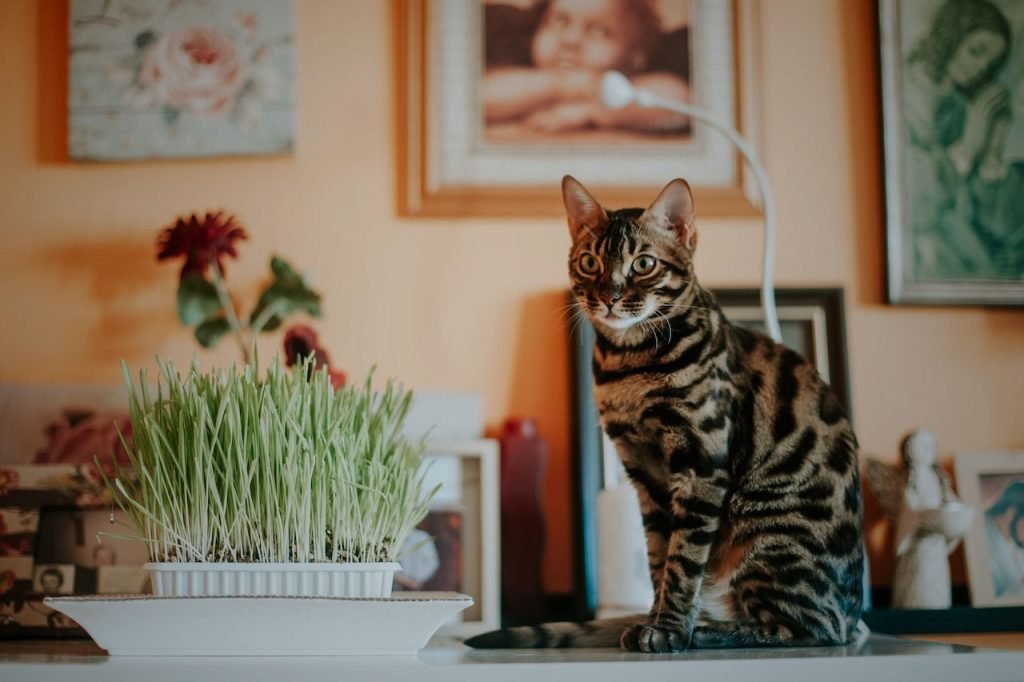
If you’re thinking about getting a Bengal kitten, it’s helpful to have an honest conversation with your breeder about your allergy concerns. While no one can promise a Bengal won’t trigger your symptoms, some breeders have experience working with families in similar situations.
They may be able to offer suggestions, share feedback from other clients, or even allow a visit to see how you react before making a final decision. This is especially useful since early bonding is important for Bengals, and returning a kitten because of unexpected allergic reactions is something everyone wants to avoid.
Is a Bengal Cat Right for You?
Choosing to live with a Bengal cat when you have allergies isn’t always simple, but it is possible for many people. Some find that their symptoms are mild enough to manage with good habits and a clean home. Others may need a little help from medication or lifestyle adjustments to make it work.
Still, it’s important to be honest with yourself about the level of reaction you’re willing to tolerate. While Bengal cats are beautiful, intelligent, and affectionate animals, they are not allergy-proof. If your symptoms are severe, it may not be the right time. But if your allergies are mild and manageable, a Bengal could still be a wonderful addition to your home.
Final Thoughts
Bengal cats are often labeled as hypoallergenic, but the truth is more complex. No cat breed is completely free of allergens. However, Bengals may offer an easier experience for some people because of their low-shedding coats and potentially lower levels of Fel d 1.
Whether a Bengal cat is a good match for your household depends on your personal allergy level and your willingness to adjust your lifestyle. Spend time around a Bengal before committing, speak with your doctor, and prepare your home to reduce allergen buildup.
With the right approach, many people with mild to moderate allergies have found that life with a Bengal is not only possible, but also incredibly rewarding.
Meet a Bengal
Spend some time with a Bengal in person if you believe they would be a good match for your family. That’s the most effective way to determine how your body reacts and whether you’ve found your ideal feline companion. Are you eager to learn more about Bengal kittens and their unique characteristics? Come see our available kittens at Lone Star Bengals now.
