
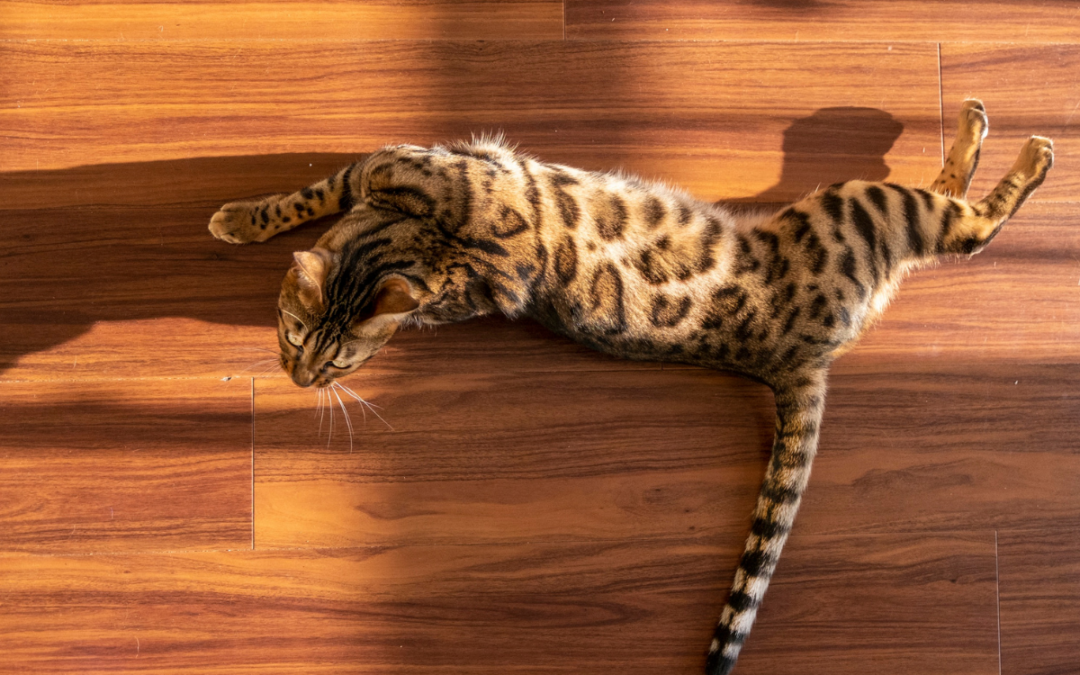
Descended from the Asian Leopard Cat, Bengals are highly intelligent, fiercely curious, and packed with an unbelievable amount of energy. They are not the type of cat to simply sleep on the back of the sofa for twenty hours a day.
Because of their brilliant minds and high-octane energy levels, Bengals require a significant amount of mental and physical stimulation. When they do not receive an adequate outlet for their natural instincts, they can quickly become under-stimulated. And in the world of hybrid breeds, a bored Bengal is often a recipe for a chaotic household.
If you have noticed a sudden shift in your cat’s demeanor or are dealing with frustrating new habits, your feline friend might just be desperately looking for something to do. Here are 7 clear signs your Bengal cat is bored—and actionable advice on how to fix it.
How to Tell If Your Bengal Cat Is Bored
#image_title
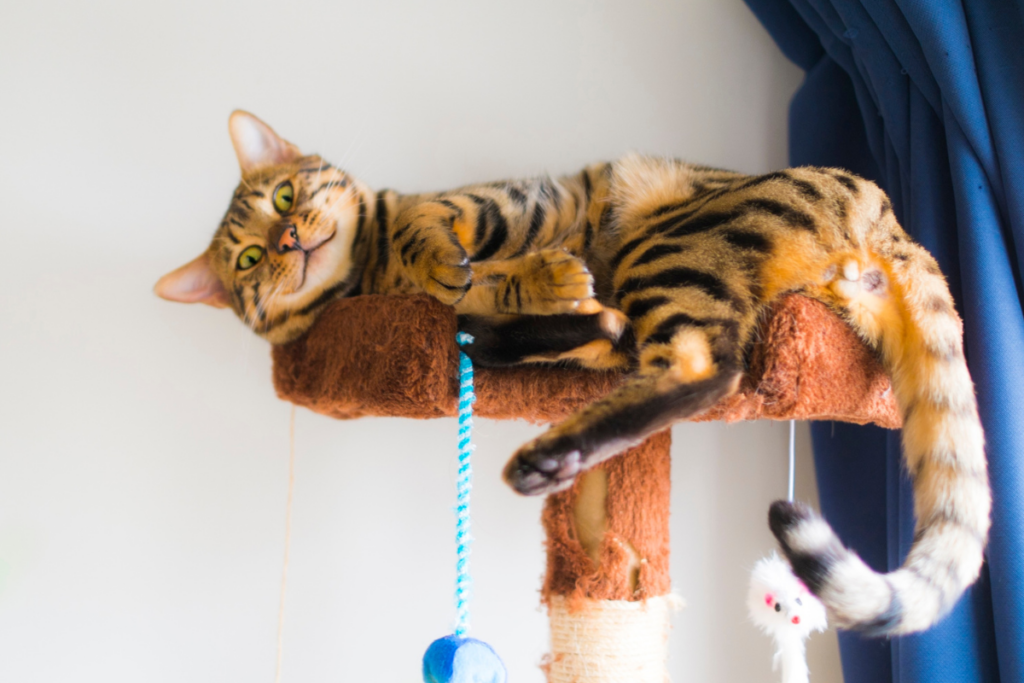
Destructive Behavior and “Remodeling”
One of the most common and immediate red flags of a bored Bengal is destructive behavior. Bengals are notoriously dexterous; they can open cabinets, turn doorknobs, and pull things off shelves.
If your Bengal is under-stimulated, they will find their own ways to entertain themselves, which usually involves “remodeling” your home. You might find shredded rolls of toilet paper strewn across the bathroom, houseplants completely uprooted, or your favorite curtains turned into a makeshift climbing wall.
If your Bengal is suddenly scratching furniture despite having a dedicated scratching post, they aren’t necessarily acting out of malice; they are simply trying to expel pent-up energy and get a reaction out of you.
Excessive and Demanding Vocalization
Bengals are naturally talkative cats. They chirp, trill, coo, and meow to communicate with their human companions. However, there is a distinct difference between friendly chatter and the relentless, demanding yowling of a bored cat.
If your Bengal stalks the hallways pacing and crying, or sits in the center of the room letting out long, drawn-out yowls—especially late at night or early in the morning—they are likely voicing their profound frustration. They are practically screaming, “I’m bored! Entertain me!”
Bullying Other Pets (Or You)
Bengals possess a very strong prey drive and hunting instinct. In the wild, their ancestors spent hours stalking, pouncing, and wrestling. If your Bengal does not have a constructive way to express this hunting instinct, they may turn their sights on their housemates.
A bored Bengal might begin aggressively stalking the family dog, ambushing other cats in the home, or even exhibiting play-aggression by launching themselves at your ankles as you walk down the hallway. This unprovoked “bullying” is rarely true aggression; rather, it is misdirected playfulness and hunting behavior that has nowhere else to go.
Over-Grooming and Hair Loss
While we often associate boredom with outward chaos, it can also manifest as internal stress and anxiety. Cats are meticulous groomers, but a cat that is chronically bored can develop obsessive-compulsive behaviors to cope with their lack of stimulation.
One of the most common compulsive behaviors is over-grooming, medically known as psychogenic alopecia. If you notice your Bengal aggressively licking their belly, paws, or flanks to the point where the fur is thinning or creating completely bald patches, it is a sign of acute stress often rooted in environmental under-stimulation. (Note: Always consult a veterinarian to rule out allergies or skin infections first).
Extreme Lethargy or “Depression”
#image_title
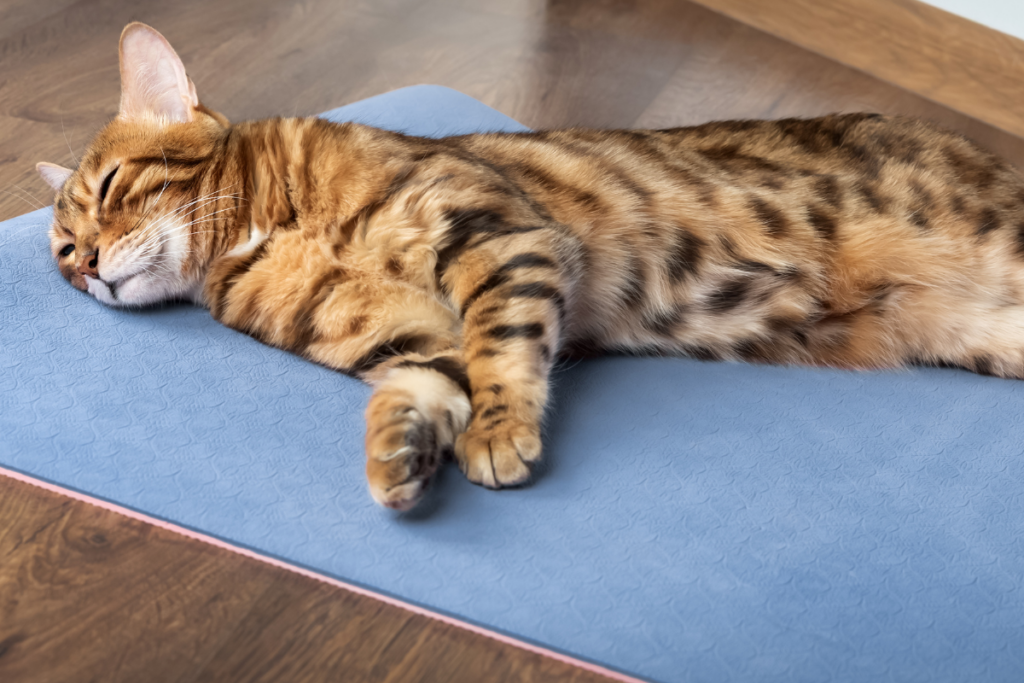
It might seem contradictory since Bengals are known for their high energy, but chronic boredom can actually lead to apathy and lethargy. If a highly intelligent cat realizes that no amount of trying will result in play or stimulation, they may simply give up.
If your normally bouncy, curious Bengal has started sleeping much more than usual, ignoring their surroundings, and showing no interest in the household activities they used to love watching, they may be suffering from feline depression caused by a profoundly under-enriched environment.
Obsessive Attention-Seeking
A bored Bengal quickly learns that negative attention is still attention. If knocking a glass of water off the kitchen counter makes you jump up and run over to them, they will file that information away and use it whenever they are bored.
Attention-seeking behaviors can include pawing incessantly at your face while you try to work, walking across your keyboard, standing in front of the television, or purposely knocking fragile items off shelves while making direct eye contact with you.
Overeating or Begging for Food
Just like humans, cats will sometimes eat simply because there is nothing better to do. If a Bengal’s environment is devoid of interesting activities, the highlight of their day becomes their meals.
A bored Bengal might constantly badger you for food, hang around their food bowl all day, or overeat if they are free-fed, leading to unhealthy weight gain. If hunting for food is their only source of joy, they will obsess over it.
What to Do About It: Curing Bengal Boredom
#image_title
If you recognize several of these signs in your own cat, do not panic. Curing Bengal boredom is entirely possible, and it simply requires a commitment to enriching their environment and engaging their brilliant minds.
Create a “Feline Jungle” (Maximize Vertical Space)
Bengals are natural tree-dwellers and climbers. Living purely on the ground is unnatural and boring to them. Invest in tall, sturdy cat trees, install floating cat shelves across your living room walls, and provide window hammocks where they can watch “Cat TV” (birds and squirrels outside). The more they can climb, survey their territory, and jump, the happier they will be. Many Bengal owners also swear by feline exercise wheels, which allow these athletic cats to run at top speed and burn off excess energy safely indoors.
Make Interactive Play Non-Negotiable
Leaving a few plush mice on the floor is not enough for a Bengal. They need interactive play that simulates a real hunt. Dedicate at least two 15-to-20-minute play sessions every day using wand toys with feathers or attachments that mimic the erratic movements of birds or rodents. Make the toy hide behind furniture, soar through the air, and scurry under rugs. Let your Bengal stalk, sprint, and finally catch their “prey.” Always end the play session with a small treat to complete the natural hunt-catch-kill-eat cycle.
Ditch the Food Bowl for Puzzles
Since Bengals are highly intelligent, make them work for their food. Instead of pouring kibble or treats into a standard bowl, use food puzzle toys, lick mats, or foraging mats. You can even hide small portions of their daily food in different locations around the house, forcing them to use their powerful noses and problem-solving skills to “hunt” for their breakfast.
Introduce Clicker Training
Because of their high intelligence, Bengals are highly trainable—much like dogs. Clicker training is an incredibly effective way to provide mental stimulation, which is often more exhausting for a Bengal than physical exercise. You can easily teach your Bengal to sit, high-five, spin, or even fetch. Training builds a strong bond between you and your cat while keeping their active minds sharply engaged.
Consider Harness Training and Outdoor Adventures
#image_title
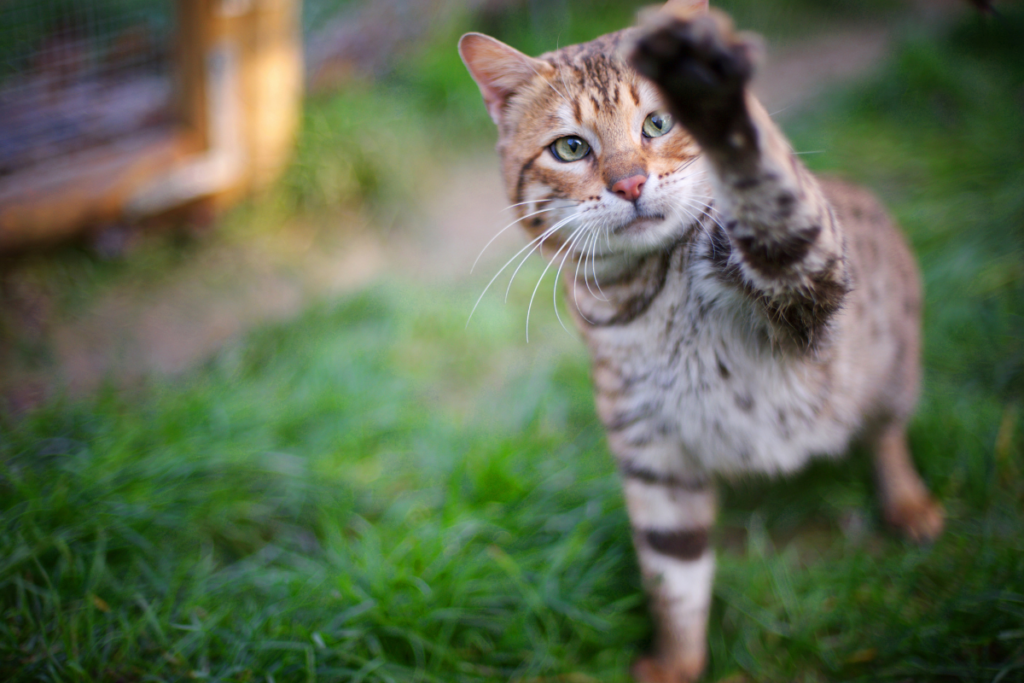
If your Bengal is brave and confident, harness training can open up a whole new world of safe stimulation. Because they shouldn’t roam freely outdoors due to safety concerns, teaching them to walk on a leash and well-fitted harness allows them to experience the sights, sounds, and smells of the great outdoors. A daily walk around the yard or a quiet park can work wonders for a bored Bengal.
Provide a Companion
Sometimes, the best cure for a bored Bengal is another highly active feline friend. If you work long hours or simply cannot match your Bengal’s stamina, bringing a second playful cat (perhaps another Bengal) into the home can provide them with a full-time wrestling, chasing, and grooming partner.
Understanding your Bengal’s needs is the key to a harmonious home. By recognizing the signs of boredom and actively transforming their environment into a stimulating, enriching playground, you will eliminate destructive habits and unlock the joyful, loving, and fiercely loyal companion that the Bengal cat is truly meant to be.
Bring a Bengal Into Your Family
At Lone Star Bengal Cats & Kittens, we are dedicated to raising healthy, happy companions with exquisite wild looks and wonderful temperaments. Whether you are a first-time owner or looking to add another spotted friend to your home, we are here to help. Reach out to us today by calling 817-602-4807 or sending an email to marla@lonestarbengals.com to find the perfect addition to your family.
