
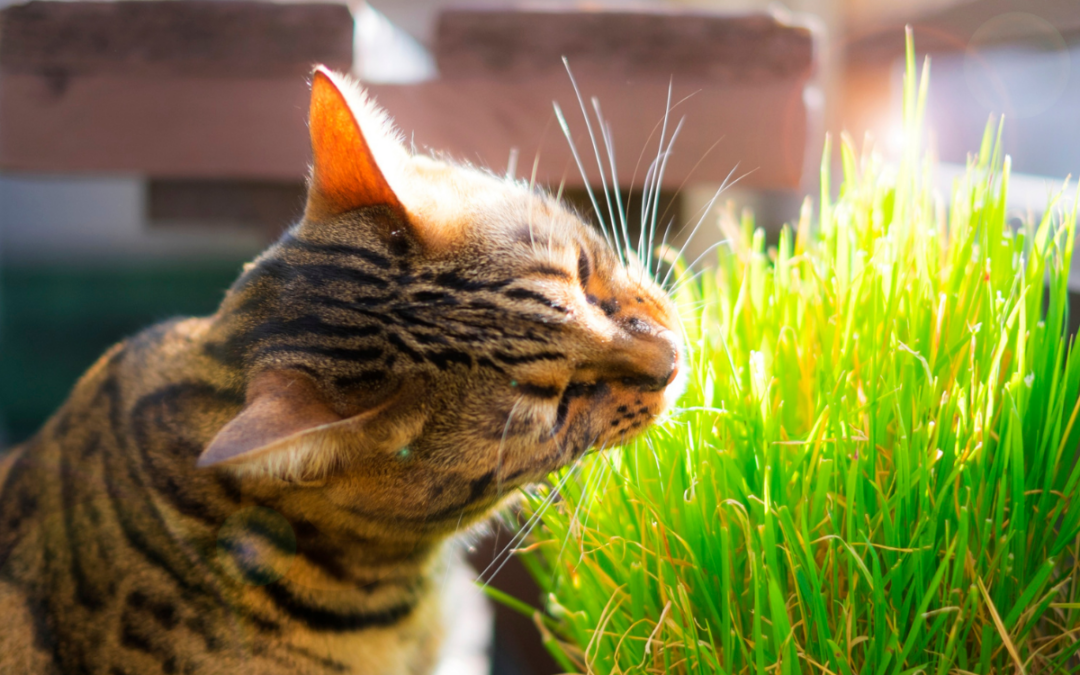
Because Bengals have a naturally high prey drive and play aggressively, it is incredibly common for them to view their owner’s hands, ankles, and fingers as interactive toys. If you find yourself covered in scratches and asking, “How do I teach my new Bengal kitten not to bite?” you are not alone. With the right techniques, consistency, and a deep understanding of feline behavior, you can easily train your mini-leopard to play gently.
Key Takeaways
- Biting is natural, but boundaries are necessary: Kittens use their mouths to explore the world and initiate play. The goal is redirection, not punishment.
- Hands are strictly for affection: Never use your fingers to wrestle with your kitten. Hands must only be associated with gentle petting and treats.
- Consistency is your best tool: Everyone in the household must react the exact same way to a bite for the training to stick.
- A tired Bengal is a well-behaved Bengal: Meeting your kitten’s high physical and mental stimulation needs will drastically reduce play aggression.
Why Is My Bengal Kitten Biting?
Before you can effectively stop the behavior, it is crucial to understand the root cause. Bengal kittens do not bite out of malice or spite; they bite for a few very specific, biologically driven reasons:
- Play Aggression: This is the most common reason. In a litter, kittens learn how to hunt, pounce, and defend themselves by wrestling with their siblings. If they don’t have a feline playmate, they will practice these instincts on you.
- Teething: Just like human babies, kittens lose their baby teeth and grow their adult teeth between three and six months of age. During this window, their gums are sore, and chewing on things (including you) provides relief.
- Overstimulation: Bengals are highly sensitive to touch. What starts as an enjoyable petting session can quickly turn into sensory overload, resulting in a sudden “love bite” to tell you they have had enough.
- Attention-Seeking: Bengals are incredibly intelligent. If they realize that biting your ankle gets you to jump up, look at them, and interact (even negatively), they will use biting as a tool to demand your attention.
Now that we know the “why,” let’s look at the seven proven methods to stop the biting for good.
7 Proven Strategies to Keep Your Kitten From Biting
#image_title
1. Never Use Your Hands as Toys
This is the golden rule of kitten training. It can be incredibly tempting to wiggle your fingers on the couch, rub your kitten’s belly, and let them gently wrestle with your hand. While this is cute when they weigh two pounds, it becomes painful and dangerous when they grow into a muscular, 15-pound adult Bengal.
If you use your hands as toys, you are actively teaching your cat that human skin is prey. You must create a strict boundary: hands are exclusively for petting, grooming, and giving treats. If your kitten rolls onto their back, do not rub their belly with your bare hand. Instead, use a soft brush or a stuffed toy to interact with them, keeping your skin out of the strike zone.
2. Master the Art of Redirection
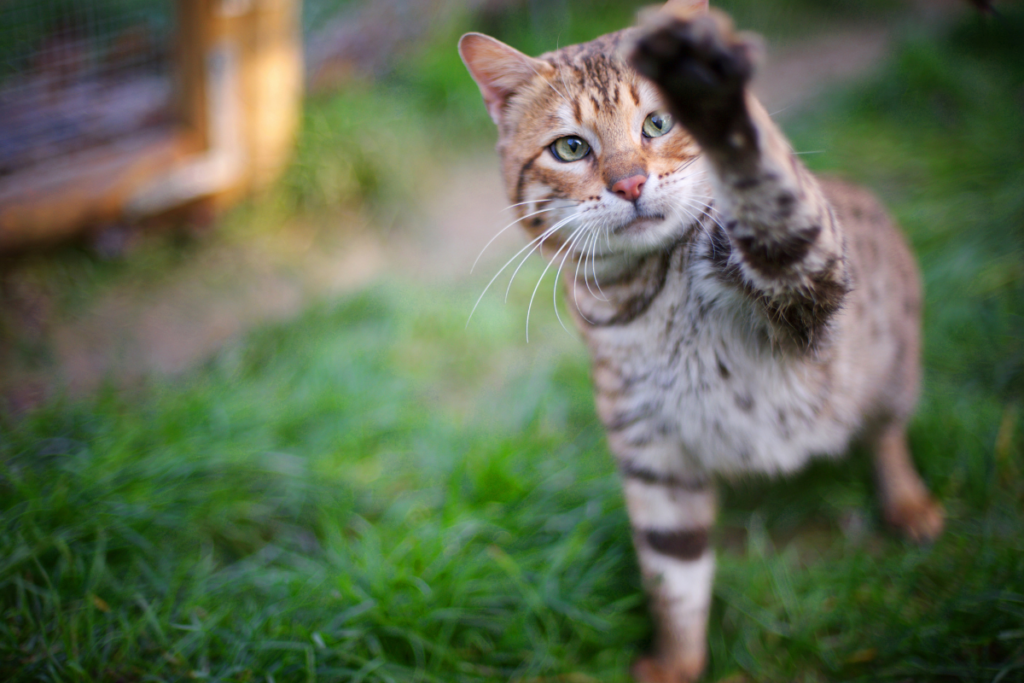
Because the urge to bite and kick is a natural instinct, you cannot simply tell your Bengal to stop being a cat. Instead, you must give them an appropriate outlet for that energy. This is where redirection comes into play.
Keep a stash of “kicker toys”—long, plush toys designed for cats to grab with their front paws and bunny-kick with their back legs—scattered in every room. The moment your kitten locks eyes on your hand or ankle and prepares to pounce, intercept them with the toy. Shove the plush toy into their chest or toss it across the floor to trigger their chase instinct. By constantly redirecting their teeth away from your skin and onto a toy, they will eventually learn what is appropriate to attack and what is not.
3. The “Ouch!” and Ignore Technique
Kittens learn bite inhibition (controlling the force of their bite) from their mother and littermates. When a kitten bites a sibling too hard during a wrestling match, the sibling will let out a sharp squeal and walk away, effectively ending the game. You need to mimic this exact dynamic.
If your Bengal kitten bites you, immediately let out a sharp, high-pitched “Ouch!” or “No!” Do not yell aggressively; just make a sudden noise that startles them enough to let go. Once they release you, immediately stand up, cross your arms, turn your back, and walk away. Ignore them completely for at least five minutes. Do not look at them, and do not speak to them. Bengals crave interaction, and when they realize that biting causes their favorite playmate to disappear, they will quickly drop the habit.
4. Drain Their Excess Energy
Bengals are the athletes of the cat world. A standard domestic shorthair might be happy sleeping 16 hours a day, but a Bengal requires intense daily exercise. If your kitten is constantly stalking your ankles, they likely have pent-up energy that needs to be burned off.
Commit to two or three 15-minute interactive play sessions every single day. Use wand toys with feathers or attachments that mimic the erratic movement of birds and mice. Make them run, jump, and do backflips until they are panting and lying down. Many Bengal owners also invest in a cat exercise wheel. A fully exercised Bengal will be too tired to ambush you as you walk down the hallway.
5. Recognize the Signs of Overstimulation
#image_title
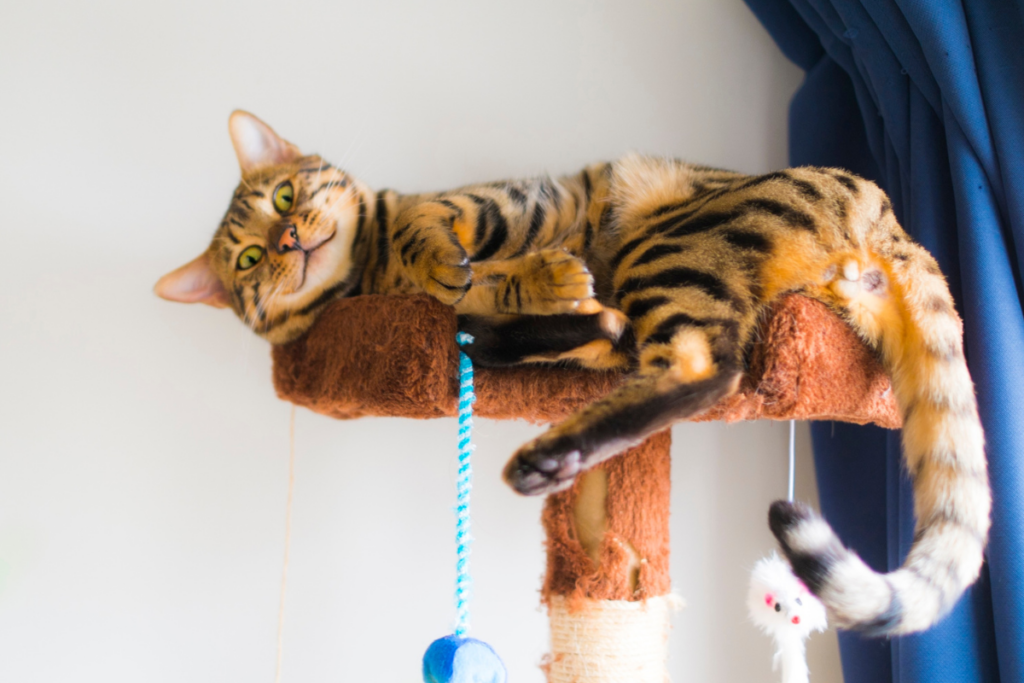
Bengals are affectionate, but they often have a threshold for physical touch. Petting-induced aggression happens when a cat becomes overstimulated by repetitive stroking. To prevent these types of bites, you must learn to read your kitten’s body language.
Watch for the warning signs:
- The tail begins to twitch, thump, or lash aggressively.
- The ears flatten back against the head (airplane ears).
- The skin along their back starts to twitch or ripple.
- They turn their head to watch your hand intensely.
The moment you see any of these signs, stop petting them immediately. Let them reset. Always leave them wanting a little more affection rather than pushing them past their tolerance limit.
6. Provide Proper Teething Relief
If your kitten is between three and six months old, their biting might be driven by sore gums rather than playfulness. You will often notice them gnawing on cardboard, wires, furniture, or your fingers.
To help soothe their discomfort, provide kitten-safe chew toys. You can find durable rubber chew toys at the pet store, or try offering silvervine sticks (a natural alternative to catnip that promotes dental health). Some owners even take a clean, damp washcloth, twist it into a rope, freeze it, and let their kitten chew on the cold fabric to numb their sore gums.
7. Reward Calm, Gentle Behavior
Training is not just about stopping bad behavior; it is also about reinforcing good behavior. Positive reinforcement is incredibly effective with highly intelligent breeds like Bengals.
When your kitten is sitting quietly next to you, purring, or softly batting at a toy without using their claws, reward them. Keep a small jar of high-value treats (like freeze-dried chicken or salmon) nearby.
Calmly offer them a treat and a gentle pet while speaking in a soothing tone. Over time, they will associate calm, gentle behavior with their favorite rewards, making them more likely to default to a relaxed state rather than a hyper-aggressive one.
What NOT to Do: Why Punishment Fails
#image_title
When frustrated by sharp teeth, some owners resort to physical punishment, such as tapping the kitten on the nose, spraying them with water, or scruffing them. Never use physical punishment on a Bengal.
Because of their high intelligence and wild ancestry, Bengals do not respond to physical dominance the way a dog might. If you tap a Bengal on the nose, they will likely view it as a challenge and fight back harder. If you use a spray bottle, you will simply destroy the bond of trust between you, creating a cat that is fearful and anxious. Fearful cats are far more likely to resort to aggressive, defensive biting. Always stick to redirection and withdrawal of attention.
Expand Your Family
Lone Star Bengal Cats & Kittens provides healthy, active, and well-adjusted kittens bred for exceptional temperament and striking rosettes. If you have questions about Bengal behavior or are ready to reserve your new companion, we are here to help. Contact Lone Star Bengal Cats & Kittens today at 817-602-4807 or email marla@lonestarbengals.com.
