
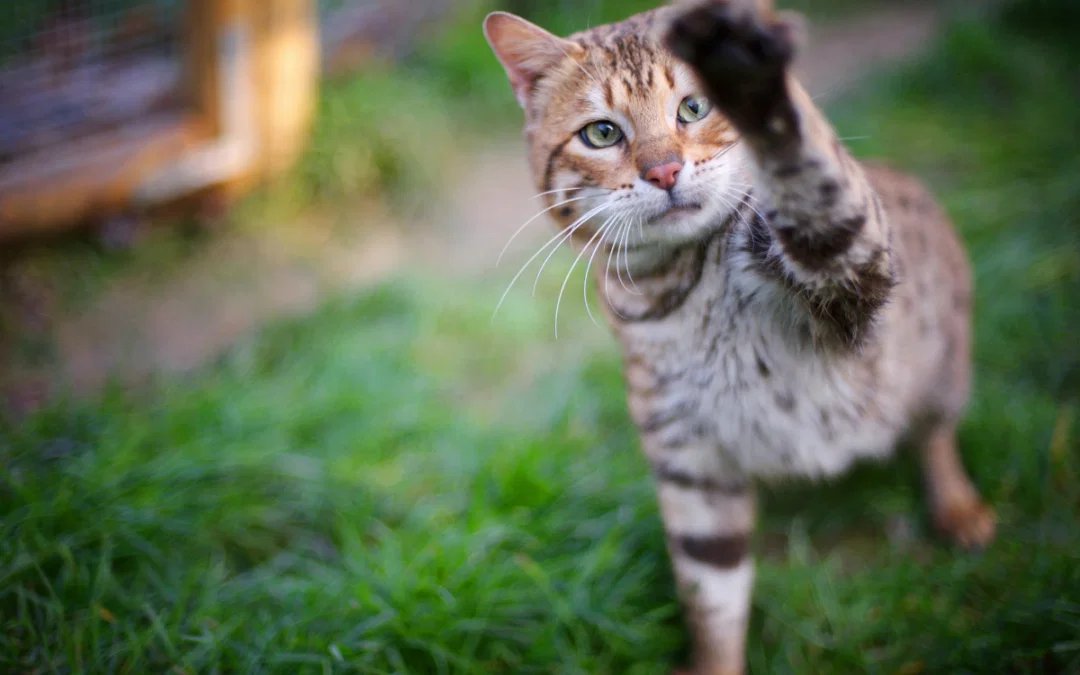
Bengal cats look wild but are fully domestic pets with high demands. They are energetic and smart, making them a major commitment. Do not choose a Bengal based on appearance alone. Instead, make sure your lifestyle can handle their physical and mental needs.
This guide outlines practical lifestyle factors to help you decide if a Bengal is right for your home.
Personality and Natural Behavior
#image_title
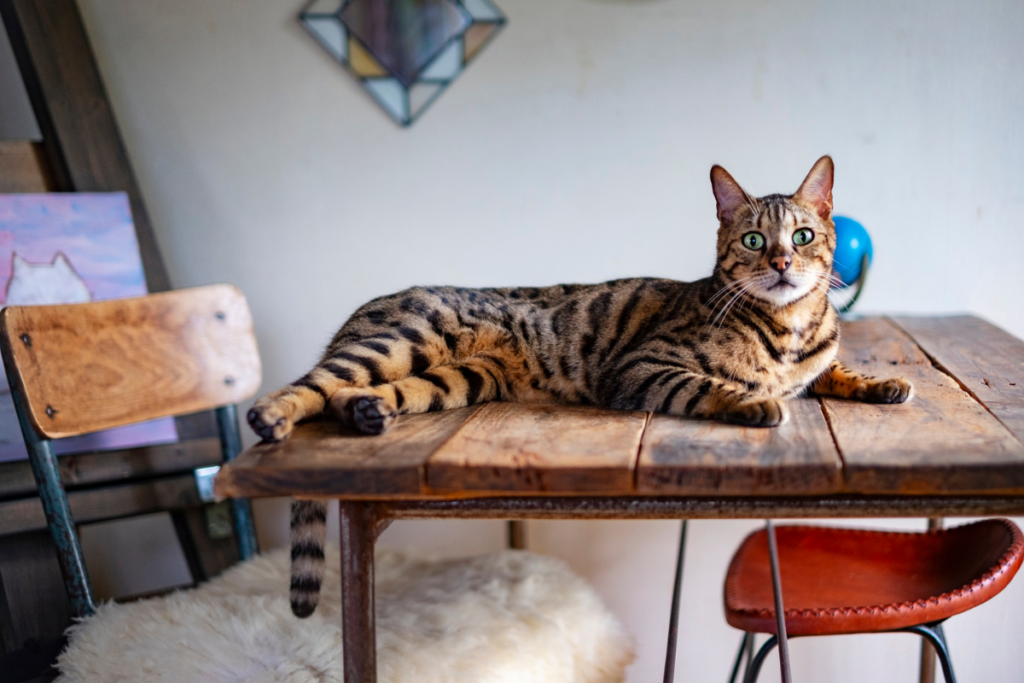
Bengals are highly alert and prefer being fully involved in daily household routines rather than acting independently. They form exceptionally strong attachments to their owners, frequently following them from room to room because they do not do well when ignored for long periods.
Driven by an intense natural curiosity, these cats constantly explore cabinets to see what is inside. They will also eagerly investigate doors and bags, which is standard breed behavior rather than bad behavior that needs correcting.
Energy Level and Daily Activity Needs
Bengals have significantly higher energy levels than most domestic cats and are built for constant movement. Their daily rhythm includes jumping, sprinting, climbing, and chasing, meaning an inactive
Bengal will not stay settled for long. To meet this need, they require structured, interactive play with their owner every day, such as sessions of fetch or chase games. Without this regular outlet, they often redirect their energy into unwanted behaviors like knocking objects over. They might also run across furniture or become excessively active at night, which is usually a sign of unmet physical needs rather than a training issue.
Mental Stimulation Requirements
Bengals are highly intelligent problem solvers who quickly learn household routines and remember patterns in their environment. This sharp mind is one of their defining traits, but it also creates a major responsibility for owners since a bored Bengal will invent its own challenges. They might test boundaries or explore restricted areas, behaviors that are typically a direct response to a lack of mental stimulation. To prevent this, daily routines must include mental enrichment like puzzle feeders and active training exercises.
Teaching simple commands or tricks helps channel their intelligence productively, while rotating their toys regularly keeps them from losing interest in repetitive activities.
Time Commitment and Owner Availability
Bengals do best in homes where someone is present for most of the day. They do not require constant attention, but they do require consistent interaction. Long periods of isolation without enrichment can lead to frustration and behavioral issues.
If you work long hours, you will need to plan how your Bengal stays occupied during the day. This includes environmental setup such as climbing spaces, toys that dispense food, and access to windows for visual stimulation.
Some owners consider getting a second compatible pet to provide companionship. This can help reduce boredom, but it does not replace human interaction. Bengals still rely heavily on engagement with their owners.
Living Space and Environment Setup
#image_title
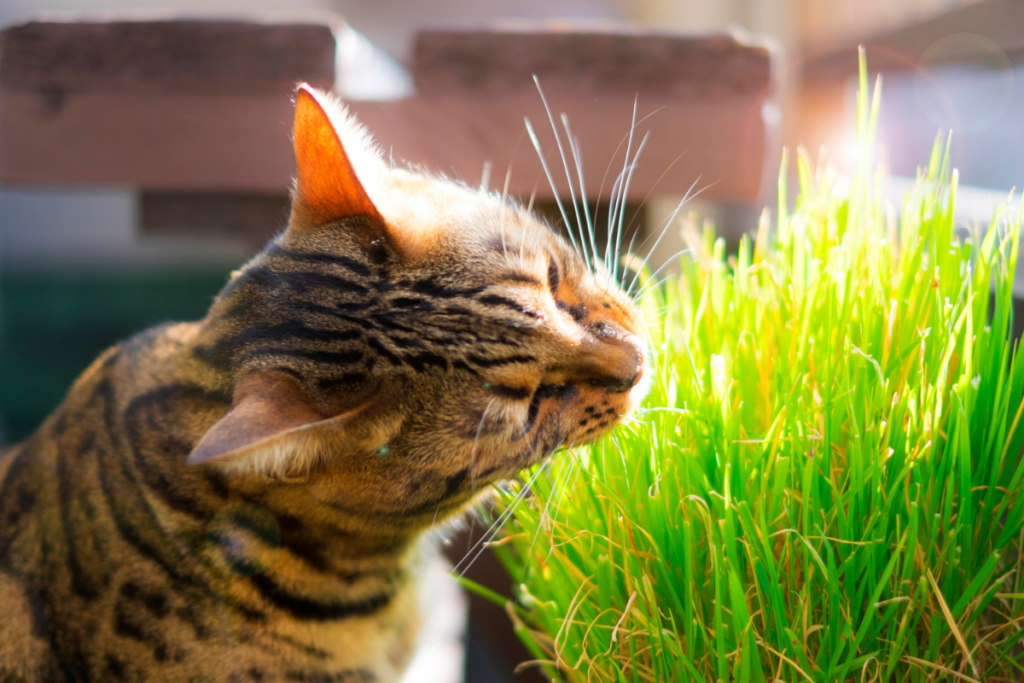
Bengals do not require massive homes, but they absolutely need active and enriching environments where the layout matters far more than the square footage. Vertical space is essential for their well-being, so providing safe climbing platforms allows them to express their natural instincts.
Window perches are equally vital because these cats love observing outdoor movement, like birds or passing people. Owners must also create safe exploration zones and secure the home against their clever curiosity, as Bengals are notorious for opening doors and entering cabinets. This means keeping breakable items or dangerous objects completely out of reach to prevent accidents.
Social Behavior and Human Interaction
Bengals are highly social cats, but they express this through active play and shared movement rather than passive cuddling. They rarely sit still for long affection sessions unless they are completely exhausted from the day’s activities.
To get attention or request play, they communicate constantly using expressive body language alongside vocalizations like loud meows. Because of this high social drive, Bengals do not thrive in environments where they are frequently left alone or ignored. They are perfect for owners who want to actively interact with their pets throughout the day.v
Compatibility With Children
Bengals can live well with children when clear boundaries are set. Their playful energy often suits active kids. However, their strength and speed mean supervision is important.
Children should be taught how to approach, touch, and play with the cat properly. Rough handling or unpredictable movements can stress the cat or lead to defensive reactions. Respectful interaction is key.
When the environment is structured correctly, Bengals can form strong bonds with children. They often enjoy shared play activities and become part of daily family routines.
Living With Other Pets
Bengals can coexist with other pets, including dogs and cats, but success depends on temperament and the introduction process. Their confident nature helps them adjust, but not all Bengals will enjoy sharing space.
Introductions should be gradual. Sudden exposure might cause stress and territorial behavior. For the adjustment period to be successful, controlled meetings and designated areas are essential.
Some Bengals benefit from having another active pet in the home. This can reduce boredom and provide additional stimulation. However, compatibility should always be evaluated individually rather than assumed.
Noise Level and Communication Style
#image_title
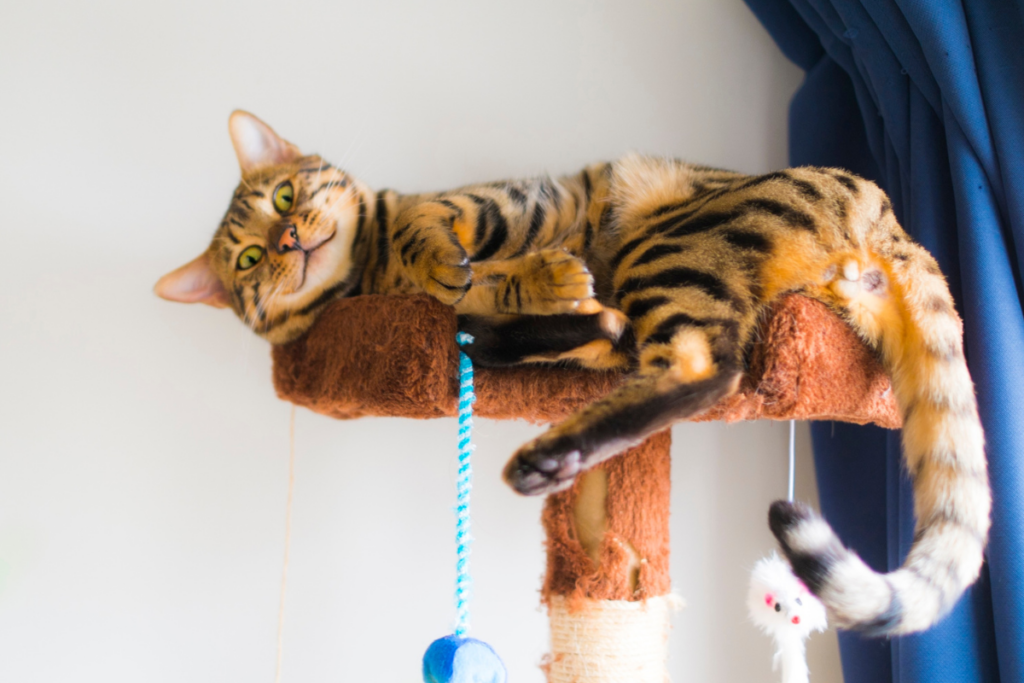
Bengals are exceptionally vocal compared to other cat breeds, using distinct sounds as a primary way to communicate rather than just making occasional noises. They use their voices to get attention, show excitement, or respond directly to interaction, which creates a highly interactive experience that some owners love but others might find too frequent or loud.
This vocal behavior is a natural trait of the breed, meaning it is a standard part of their daily personality. However, environmental factors like a lack of stimulation or attention can easily increase their noise level, so meeting their physical and mental needs often helps regulate excessive crying.
Grooming and General Care
Bengals have short, soft coats that are relatively low maintenance. Regular brushing is usually enough to keep their coat healthy and reduce shedding. Grooming is not the most demanding part of their care.
However, their activity level means their nails may wear differently, and they may require regular checks. Routine veterinary care is essential. Diet is also crucial. High-quality nutrition helps them maintain their energy and general wellness. Portion control is important since even active cats can acquire weight if overfed.
Long-Term Commitment
Bengal cats typically live long lives when properly cared for. Bringing one home is a long-term responsibility that can last over a decade or more. Their needs do not decrease significantly with age, especially their need for interaction and stimulation.
Owners must provide daily play, mental enrichment, and consistent attention throughout the cat’s life. Financial responsibilities include veterinary care and high-quality food, alongside continuous enrichment supplies. Understanding this commitment before adoption helps ensure stability for both the cat and the owner.
Who a Bengal Cat Is Best Suited For
Bengals are best suited for owners who are willing to interact daily. They fit well in homes where pets are treated as companions rather than passive animals. People who enjoy engaging with intelligent pets often do well with this breed.
They are not ideal for individuals who cannot provide daily interaction. A lack of engagement can lead to behavioral challenges that are preventable with the right environment.
Making the Right Choice
Bengal cats are highly energetic companions that require more time and structured engagement than most domestic breeds. In return, they offer exceptional companionship and a playful presence in the home. Success relies entirely on matching their needs with your daily lifestyle.
If you are considering a Bengal, Lone Star Bengals can help guide you in choosing a kitten that fits your home and lifestyle.
