
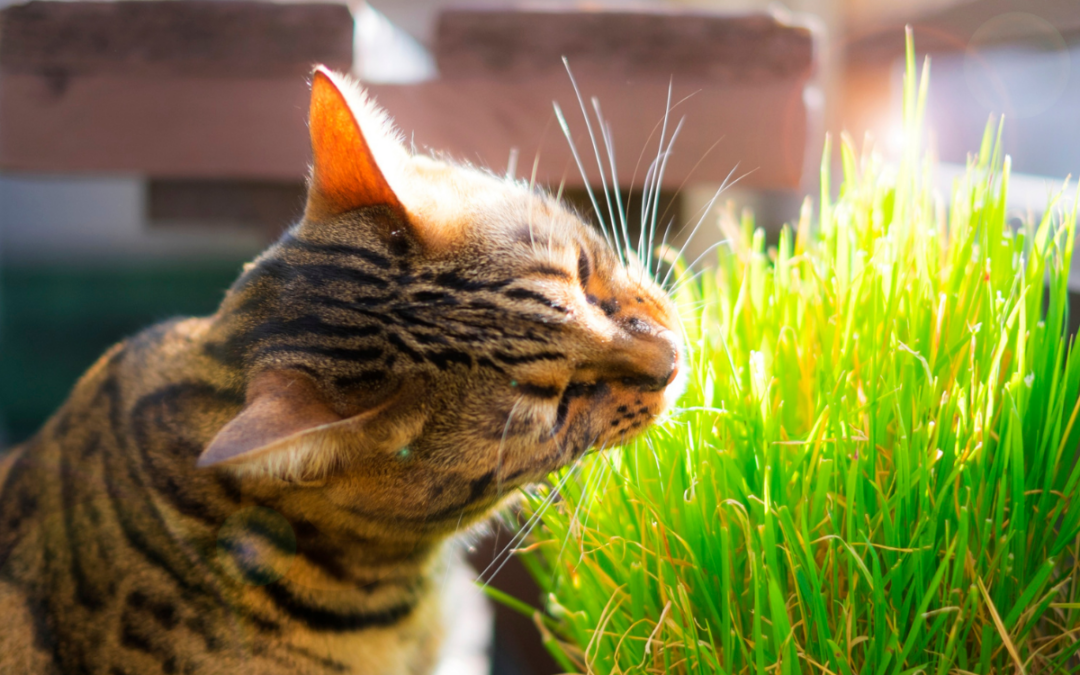
While it is easy to assume your Bengal is just being stubborn, a sudden shift in eating habits is usually a form of direct communication. They are indicating that something in their environment, their body, or their routine feels off.
Instead of forcing the issue or constantly switching brands in a panic—which often complicates the situation—taking a measured, systematic approach typically yields more reliable results.
If you are dealing with a cat who turns their nose up at dinnertime, here are seven practical steps to help you figure out what is going on and encourage them to start eating normally again.
1. Rule out Medical Issues Before Anything Else
#image_title
Cats are notoriously adept at hiding physical pain, and a sudden drop in appetite is frequently one of the very first signs that something is wrong internally.
Dental disease is a common, yet easily overlooked, culprit. If a cat is dealing with inflamed gums, a fractured tooth, or resorptive lesions, the physical act of chewing becomes painful. They might approach their bowl, sniff the food eagerly, and then walk away simply because eating hurts too much. Beyond dental issues, gastrointestinal upset, changes in kidney function, or even a mild underlying infection can suppress their desire to eat.
If your Bengal goes more than 24 hours without eating a meal, or if the picky eating is accompanied by lethargy, occasional vomiting, or noticeable changes in their litter box habits, it is time to contact your veterinarian. Trying to entice them with novel flavors will not work if the root cause is a medical issue.
2. Check the Freshness and Storage of Their Food
Bengals have a highly developed olfactory system. What smells perfectly fine to a human nose might smell rancid, stale, or unappealing to them. If you typically purchase dry food in massive bags and it takes several months to work through it, the fats coating the kibble can gradually begin to oxidize. Once that happens, the food tastes completely off, and a perceptive cat will often refuse to touch it.
You can prevent this by storing dry food in a dedicated airtight container placed in a cool, dark environment. Ideally, keep the food inside its original packaging within that container to prevent the oils from seeping into the plastic walls.
For wet food, pay close attention to how long it sits out. Wet food left at room temperature can dry up and lose its aromatic appeal in just a few short hours. If you happen to refrigerate leftover portions, keep in mind that cats generally dislike cold meals. Their wild ancestors naturally consumed warm prey. Try stirring a splash of warm water into refrigerated wet food to bring it up to room temperature; this also helps release the savory aromas that encourage them to eat.
3. Evaluate the Feeding Environment
Take a moment to look at where your Bengal eats. Cats feel inherently vulnerable when they are eating. If their feeding station is located in a high-traffic hallway or a noisy kitchen, they might feel too stressed or distracted to relax and finish a full meal. Loud noises, other pets pacing nearby, or large appliances kicking on unexpectedly can easily break their focus.
Additionally, examine the food bowl itself. Many felines experience a phenomenon known as whisker fatigue. This occurs when their highly sensitive whiskers repeatedly brush against the sides of a deep or narrow bowl, leading to sensory overload and discomfort. Consider switching to a wide, shallow dish or even a flat ceramic plate.
Furthermore, make sure their food station is placed far away from their litter box. A cat relies on a strong instinct to keep their eating and elimination areas entirely separate to avoid contamination. Moving the bowl to a quiet, safe, and clean corner of the house can sometimes resolve a sudden bout of picky eating almost instantly.
4. Lean Into Their Natural Hunting Instincts
#image_title
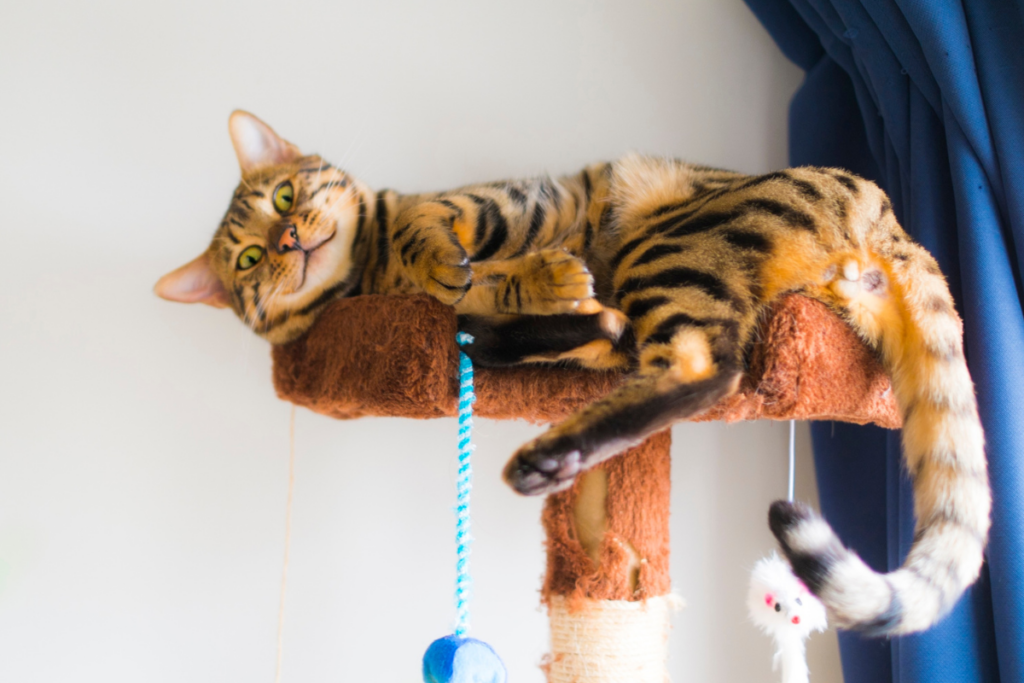
Because Bengals retain a notable amount of the wild instincts inherited from their Asian Leopard Cat ancestors, they are highly active and mentally sharp. In a natural environment, cats spend a significant portion of their waking hours hunting, stalking, and working to secure their meals. When food is simply handed to them in a bowl twice a day, they can quickly become bored. That boredom often translates into a general disinterest in the food itself.
Try turning mealtime into an engaging activity rather than a passive event. Puzzle feeders or interactive foraging toys require the cat to use their paws and problem-solving skills to extract their food. If you feed dry kibble, you can try tossing individual pieces across the living room floor for them to chase and pounce on.
You can also establish a dedicated play routine right before feeding time. Spend ten to fifteen minutes using a wand toy to simulate a hunt. Let them stalk, pounce, and eventually “catch” the toy, and then immediately serve their meal. This completes the natural hunt-catch-kill-eat cycle and can significantly boost their interest in whatever is in their bowl.
5. Introduce New Textures and Added Moisture
Cats are incredibly textural eaters. Your Bengal might suddenly decide they no longer appreciate pate and instead prefer chunks in gravy, or perhaps the other way around. If they are consistently turning their nose up at their usual dry food, they might actually be craving moisture. Cats have a naturally low thirst drive because they evolved to obtain the vast majority of their daily hydration directly from the prey they consume.
Try adding a small amount of unseasoned, cat-safe bone broth to their dry kibble to alter the texture and introduce a new flavor profile. You can also top their regular meal with a modest sprinkle of a high-quality freeze-dried raw mixer or a plain, cooked protein like unseasoned boiled chicken.
The goal here is to make the existing meal slightly more enticing without completely overhauling their entire diet overnight. Small, deliberate additions often encourage a hesitant eater to take those first few bites, which usually prompts them to finish the rest of the meal.
6. Stop Free-Feeding and Establish a Routine
Leaving a bowl of dry food out all day might seem like the most convenient option for a busy household, but it can actually contribute heavily to picky eating habits. When food is constantly available, it loses its high value. Furthermore, grazing casually throughout the day means your Bengal might never actually feel hungry enough to sit down and eat a substantial meal.
Transitioning to structured, scheduled meal times is often an effective strategy. Offer the food, leave the bowl down for roughly twenty to thirty minutes, and then pick it up regardless of how much they have eaten. Do not offer any treats or alternative snacks until the next scheduled mealtime rolls around.
By creating a slight sense of scarcity and allowing your cat to actually experience natural hunger between meals, you increase the likelihood that they will eat what is offered. Be patient with this process; it can take a few days for a cat accustomed to grazing to adjust to a new schedule.
7. Make Any Dietary Transitions Slowly
#image_title
If you evaluate the situation and decide that you do need to switch brands or introduce a novel protein like rabbit or venison, do not make the change abruptly. A sudden shift in diet can cause gastrointestinal upset, potentially leading to diarrhea or an upset stomach. Experiencing digestive discomfort will only create a negative association with the new food, making them even more reluctant to eat.
Start by mixing a very small amount of the new food into their current, familiar food. A ratio of 10% new to 90% old is usually a safe starting point. Over the course of a week to ten days, gradually increase the proportion of the new food while decreasing the old. If your Bengal starts picking around the new kibble or refuses the mixed bowl entirely, it is likely you have progressed the transition too quickly. Back up a step, reduce the amount of new food, and proceed at a slower pace.
Patience Is Your Greatest Tool
By approaching the situation calmly and ruling out potential issues step by step, you can usually identify the core problem and help get their diet back on track. Keep in mind that every cat is an individual, and it may take a little trial and error to find the specific adjustment that works for them.
If you have questions about Bengal behavior, diet recommendations, or are interested in bringing a new companion into your home, reach out to Lone Star Bengal Cats & Kittens. You can contact them at 817-602-4807 or via email at marla@lonestarbengals.com.
