

Living with a Bengal cat is never boring. One minute they are sprinting at lightning speed, and the next they are perched on your shoulder judging your snack choices. These energetic cats crave constant stimulation.
Because Bengals form strong bonds, owners often wonder if a companion would make them happier. Many thrive with a feline friend for wrestling and chasing. Your Bengal may be sending a message if they have been particularly destructive lately. Needy behavior or agitation can also mean your cat wants a friend.
Your Bengal Has Endless Energy All Day
#image_title
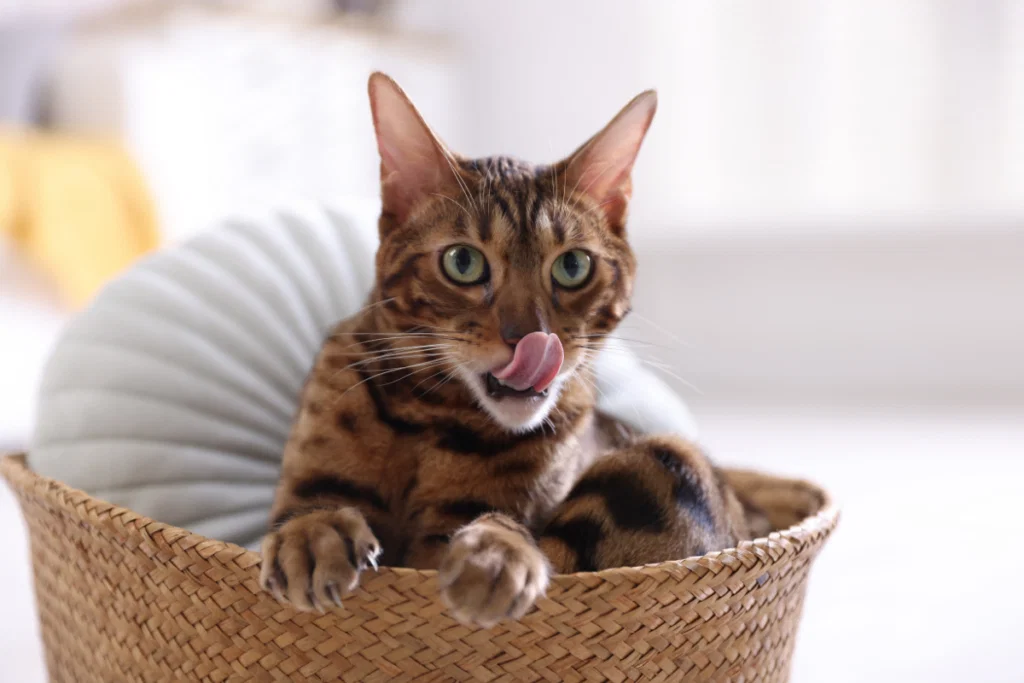
Bengals are famous for their high energy levels. These natural climbers and runners love to explore. A healthy Bengal is usually playful, but there is a clear difference between normal behavior and energy that never shuts off.
If your cat constantly races around the house or turns nighttime into an Olympic event, they may lack social stimulation. Even with regular play sessions, some Bengals still have leftover energy because they crave interaction with another animal.
A companion gives them someone to chase and wrestle with throughout the day. Instead of relying completely on humans, they get a built-in playmate who can easily match their energy.
Your Cat Follows You Everywhere
It’s a common joke among Bengal owners that they have lost their personal space. These cats are known for following their humans from room to room like furry little assistants.
While this behavior is often normal, extreme clinginess can signal loneliness. If your Bengal cries when you leave the room or constantly demands attention, they may need more companionship than one person can provide.
This becomes even more noticeable when owners work long hours. Bengals are highly social cats, and being alone for extended periods can leave them bored. A companion can reduce that constant need for attention by giving your cat another source of interaction when you are away.
Toys No Longer Keep Them Interested
Bengals outsmart their toys incredibly fast. You buy an expensive puzzle feeder, and they solve it immediately. A new electronic toy keeps them amused for only ten minutes.
If your Bengal seems bored despite having plenty of activities, they likely want social interaction. Toys burn energy temporarily, but they cannot replace the stimulation another animal provides.
Cats communicate and play through chasing or grooming. A Bengal that constantly loses interest in objects is often just craving a truly interactive relationship.
They Become Destructive Around the House
#image_title
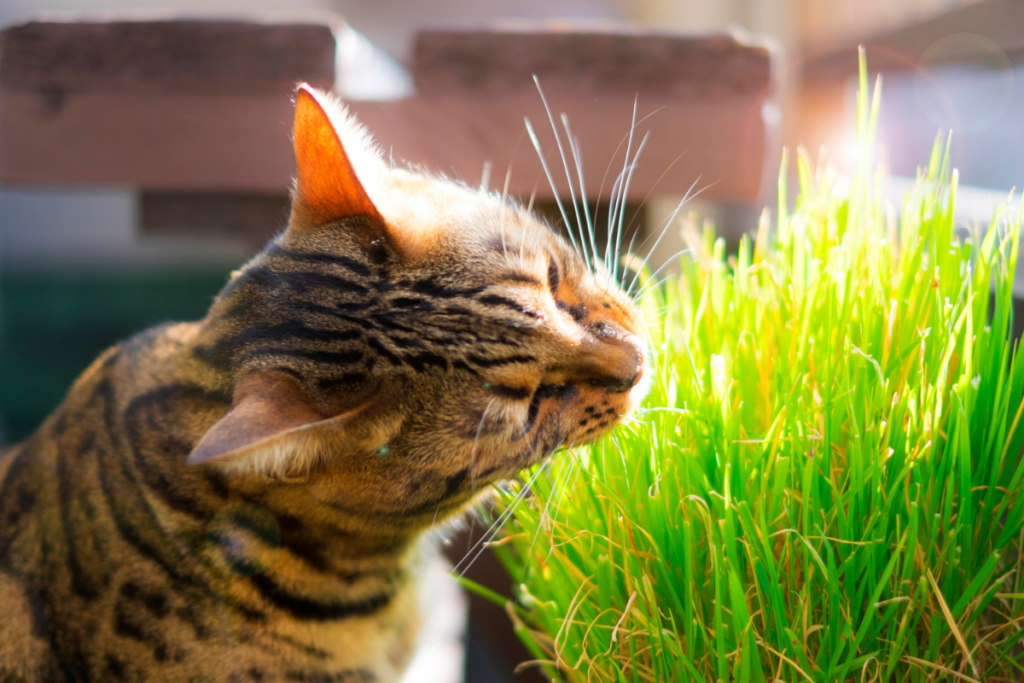
A bored Bengal can become a destructive interior designer. When your cat constantly knocks items off shelves, shreds paper products, or attacks curtains, boredom is likely the real issue.
These intelligent animals create their own entertainment when they lack stimulation. Much of this destructive behavior stems from excess energy combined with loneliness.
A companion can redirect that focus into healthy social play instead of household chaos. Owners are often surprised by how much calmer a Bengal becomes once they have another pet to interact with regularly.
Your Bengal Meows Constantly
Highly vocal by nature, Bengals chirp and trill far more than the average cat, often sounding like they are holding full conversations. When this chatter turns into constant crying or deep yowling, it usually signals boredom or loneliness. This excessive noise is frequently a frustrated plea for interaction.
Bringing a companion into the home can make a Bengal noticeably quieter by providing a full-time social outlet. Still, any sudden increase in vocalization warrants a veterinary checkup first to rule out medical issues.
Playtime Starts Feeling Too Aggressive
Athletic and driven by strong hunting instincts, Bengals can resort to rough play when they lack stimulation. A cat that regularly bites, pounces aggressively, or scratches during playtime usually lacks an appropriate outlet for their energy. Humans simply cannot replicate the fast-paced, physical wrestling that cats naturally enjoy together.
An energetic companion provides the perfect partner for chasing and wrestling. Giving your cat a proper feline friend often brings a quick improvement to these rough behaviors.
They Seem Lonely When You Leave
#image_title
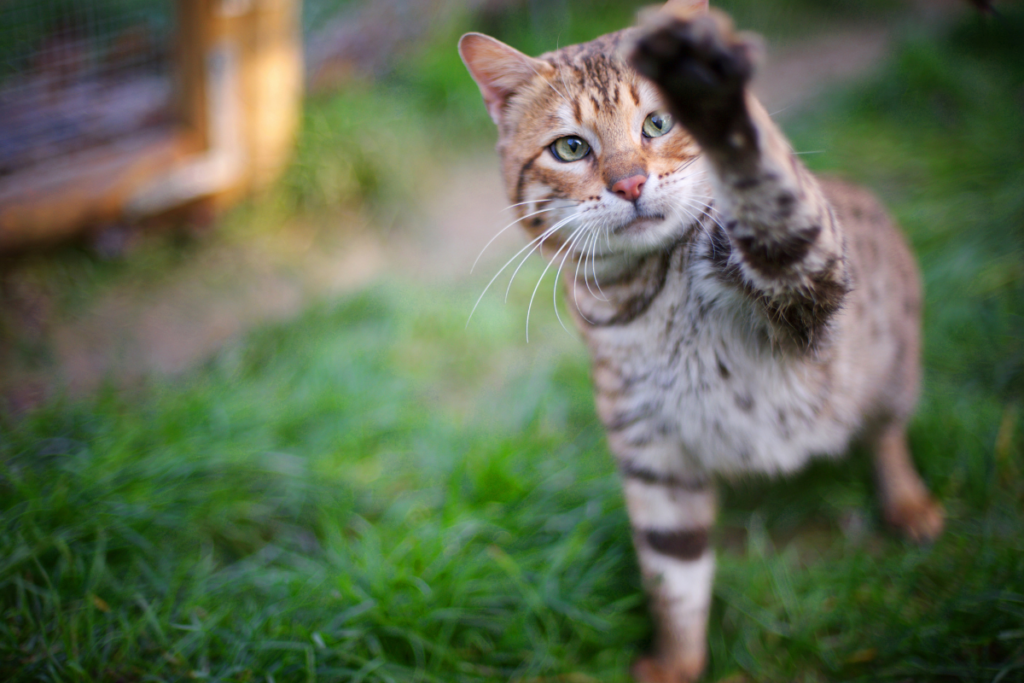
Some Bengals become visibly upset whenever their owners leave home. They might sit near doors for long periods, vocalizing loudly after you walk out. Others show their distress by racing to the entrance the moment you return.
Being alone for hours every day can be emotionally difficult for this highly social breed. A companion helps ease separation stress by providing comfort during the quiet parts of the day.
It is especially important for younger Bengals to have this additional support. Compared to adults, these growing cats typically require more activity.
Your Bengal Loves Other Animals
The way your Bengal interacts with other animals is a crucial clue. When they see another cat, some get immediately curious. In the presence of a friendly dog, they might respond similarly.
Fascinated Bengals frequently attempt to initiate a game. Seeing them light up around other animals shows that they want a full-time companion at home. Friendly Bengals thrive in families with several pets. They have a playmate who can keep up with their tremendous energy when they have a partner.
Kittens Often Need Extra Social Interaction
Bengal kittens have lots of energy and love to play. They learn how to behave by being around other animals, so having a buddy helps them fit in much better.
When playing games, a lone kitten may become too needy or bite and scratch excessively. Without another cat around, they might rely on humans for everything. A second kitten teaches them limits and keeps them moving in a healthy way.
Many breeders suggest getting two kittens at the same time. Growing up together gives them the perfect chance to learn and play.
Choosing the Right Companion Matters
#image_title
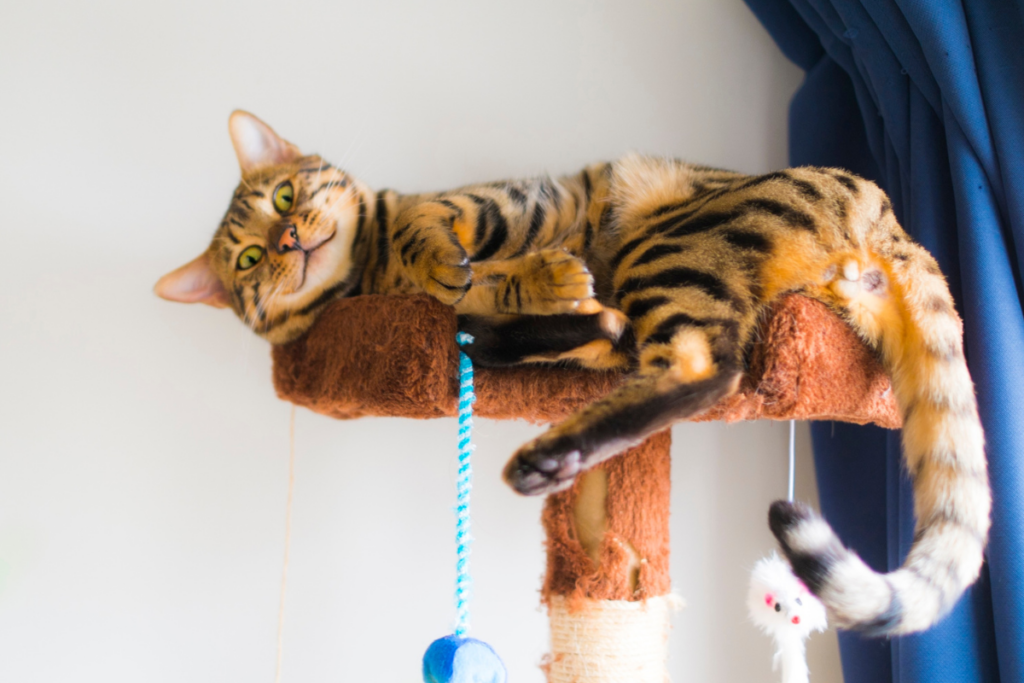
Bengal cats are not suitable for every type of pet. Bengals are best matched with playmates who share their high level of activity because they are very energetic.
A bold Bengal may cause anxiety in a calm or low-energy cat. The perfect companion has a compatible attitude and the confidence to enjoy physical play. It is also important to allow time for slow introductions. It takes a little time for even the most amiable Bengal to accept a stranger.
A Companion Is Not a Replacement for Attention
Bengals still require a lot of human care, but having another cat is quite beneficial. Your daily bonding time will never be replaced with a second cat. Daily playtime with you is still required.
A friend merely helps to meet the Bengals’ high mental needs. When you combine a friend with proper affection, it makes a big impact. They frequently behave better overall in this setup.
Finding the Perfect Buddy for Your Bengal
Bengal cats are intelligent and sociable. They enjoy playing and need a lot of attention. If your cat is constantly bored or destroying things, they might need a companion. Crying a lot or appearing agitated also indicates that they seek friendship.
Another pet brings them comfort and enjoyment. Humans cannot always offer the same type of play that animals do. A Bengal is typically happier and more at ease when they have a friend.
Lone Star Bengals can help you choose a well-socialized kitten that can be the ideal companion for your cat. Get in touch with us right now at marla@lonestarbengals.com to find out more about our next litters.
