

If you’re considering adding a Bengal cat or kitten to your family, it’s important to separate fact from fiction. At Lone Star Bengal Cats, an award-winning breeder serving Dallas and Fort Worth, Texas, we’ve heard every myth imaginable about these stunning felines. In this post, we’ll set the record straight on the most common misconceptions about Bengal cats, so you can make an informed decision about welcoming one into your home.
The Bengal cat is an exotic breed that originated from crossing a domestic cat with an Asian leopard cat. As their popularity has grown, so have the myths and misconceptions surrounding them. Without accurate information, it’s easy for misinformation to spread. By the end of this article, you’ll have a clearer understanding of what Bengal cats are really like.
Understanding Bengal Cat Origins
Bengal cats come from a carefully planned crossbreeding program involving an Asian leopard cat and a domestic cat. While they may resemble small wild cats, Bengals are fully domesticated, and their behavior reflects their domestic heritage.
- Coat Patterns – Bengals have stunning coat patterns thanks to selective breeding. Their wild appearance doesn’t mean wild behavior—they act just like any domestic cat.
- Intelligence and Playfulness – Bengal cats are highly intelligent, which leads some people to assume they’re difficult to handle. The truth is they simply need mental stimulation and interactive play. Research shows that when Bengal cats receive positive engagement, they channel their energy and intelligence in healthy ways.
Common Myths About Bengal Cats Debunked
George S
1. Bengal Cats Are Excessively Noisy
Bengal cats are known for being vocal, but they’re not necessarily noisy. Every cat has its own communication style, and while some Bengals are chattier than others, this varies by individual personality.
2. Bengals Aren’t Safe Around Small Children
There’s a widespread belief that Bengal cats don’t belong in homes with children. Actually, Bengals are energetic and playful, which makes them great companions for active kids. The key is teaching children how to interact with cats respectfully and safely.
3. Bengal Cats Require a Special Diet
This is simply untrue. Bengal cats don’t need a specialized diet that differs from other breeds. Like all cats, they require high-quality food that supports their overall health. For the best results, consult your veterinarian about appropriate nutrition for your Bengal.
4. Bengal Cats Are Aggressive and Impossible to Tame
Despite their wild appearance, Bengals are friendly and affectionate. Like any cat breed, they need proper socialization during their early weeks, which shapes their behavior as adults.
5. Bengal Cats Need Massive Living Spaces
While Bengals are energetic and playful, they adapt well to smaller living spaces like apartments. The secret is providing regular play sessions and stimulating toys to prevent boredom. Without adequate enrichment, excess energy can lead to destructive behavior.
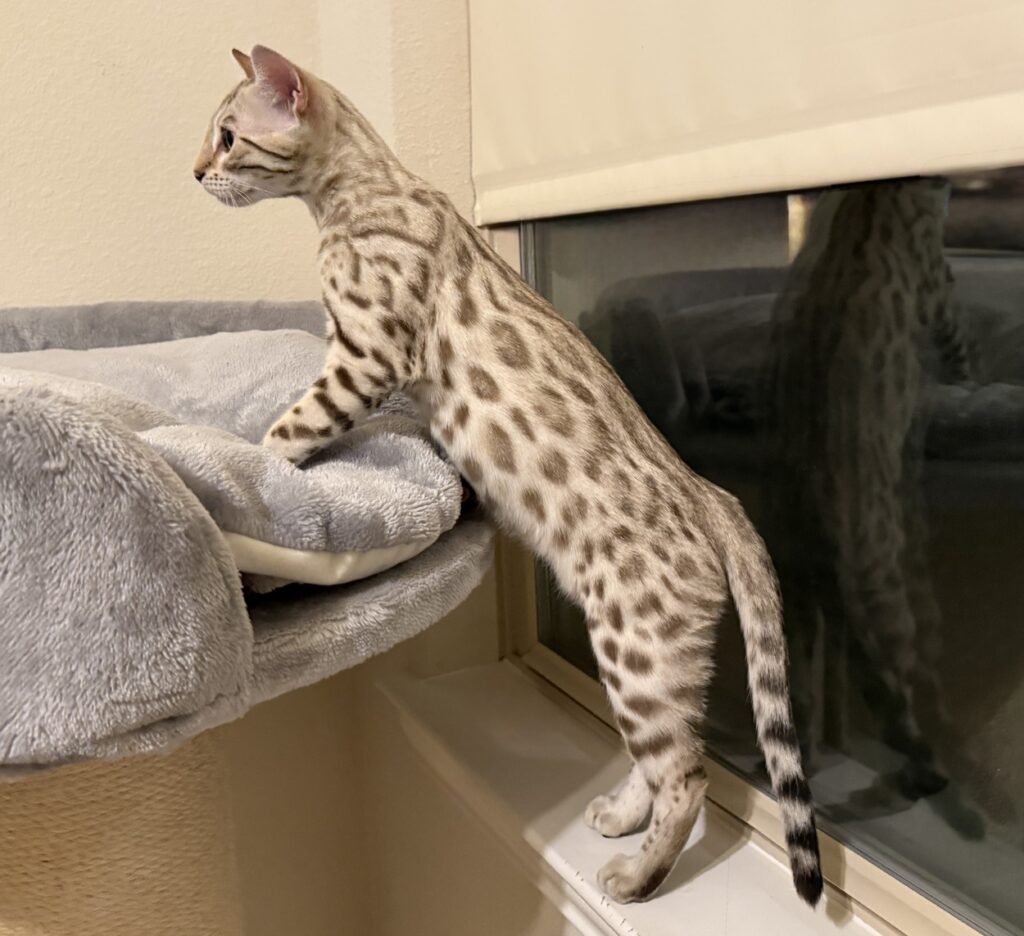
6. All Bengal Cats Have Spotted Coats
Spotted coats are common among Bengals, but not universal. Some have marbled or rosette patterns, giving each cat a distinctive appearance.
7. Bengal Cats Don’t Get Along with Other Pets
Bengal cats can form strong bonds with other household pets. With proper introduction and early socialization, they often develop close relationships with other animals and may even become inseparable companions.
8. Bengal Cats Are High-Maintenance
Bengal cats have short coats that require minimal grooming. While they do need regular play and mental stimulation to stay engaged, their grooming needs are actually quite low compared to many breeds.
9. Bengal Cats Are Completely Hypoallergenic
No cat breed is truly hypoallergenic. However, some people with allergies find Bengal cats more tolerable because of their short coats. It’s important to understand that hypoallergenic doesn’t mean allergen-free. Bengal cats produce fewer allergens than some breeds, but they can still trigger reactions in highly sensitive individuals.
Allergic reactions are typically caused by Fel d 1, a protein found in cat dander, saliva, and urine. Since Bengal cats have less fur, they shed less dander than many other breeds. This means less saliva-covered fur in your home and fewer airborne allergens.
Some Bengals have what’s called a “pelted coat,” which feels similar to rabbit fur. This low-maintenance coat requires less grooming, resulting in less saliva transferred to the fur and therefore less allergen-containing dander in your living space.
10. All Bengal Cats Love Water
While some Bengals enjoy playing with water, this isn’t a universal trait. Just like other cat breeds, some Bengal cats have no interest in water or actively dislike getting wet.
Essential Care Tips for Bengal Cats
Socialization
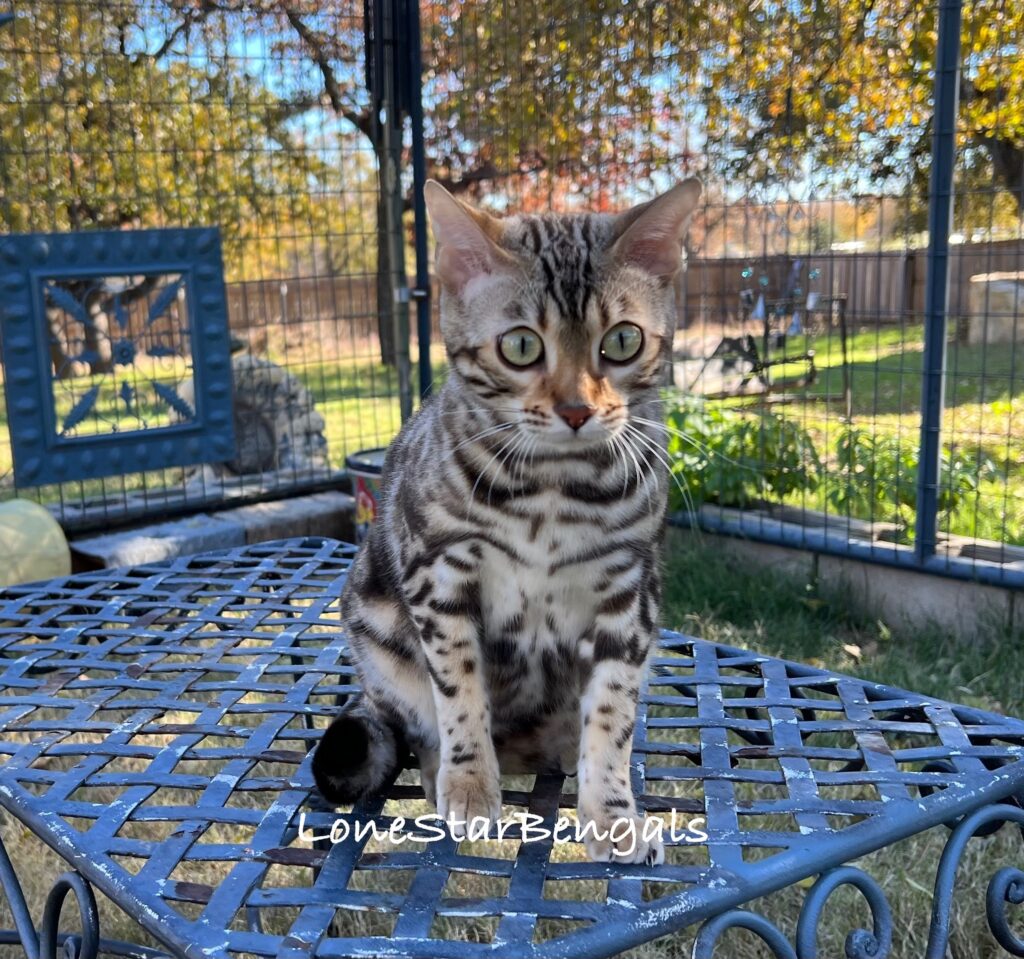
Early socialization is crucial for shaping a Bengal cat’s behavior. During their critical developmental weeks, Bengal kittens should experience positive interactions with various people, environments, and other pets. These early experiences significantly influence how well-adjusted they’ll be as adults.
Mental Stimulation
If you’re concerned about Bengal cats being too intelligent or energetic, the solution is simple: provide mental stimulation. Puzzle toys, interactive play sessions, and clicker training are excellent ways to engage your Bengal’s mind in positive, productive ways.
Proper Training
To prevent behavioral issues, Bengal cats benefit from proper training using positive reinforcement techniques. Studies show that reward-based training prevents unwanted behaviors and encourages positive interactions with family members and other pets.
The Ethical Origins of Bengal Cats
Bengal cats weren’t bred simply to create an attractive pet with a unique coat. During the time Bengals were first developed, small wildcats were being poached for their fur, pushing some species toward extinction.
The Bengal breed was created as a humane alternative to the wild cat fur trade. By developing a domestic cat with a distinctive leopard-like coat, breeders hoped to reduce demand for wild cat pelts. Bengal cats offered an ethical option for those who admired exotic patterns without supporting the harmful fur trade.
Today, Bengal cats are cherished as beloved family companions. Their beautiful, unique coats have made them popular among cat enthusiasts worldwide, but their origins tell a more important story.
Bengal cats represent both ethical consideration and conservation effort. They were created to help protect small wild cats from the fur trade industry, proving that this breed’s purpose extends beyond companionship. Bengal cats symbolize a commitment to wildcat welfare and conservation. Every Bengal in our homes serves as a reminder of the breed’s mission to protect endangered wildcat species.
Find Your Perfect Bengal Companion
Are you looking for a reputable Bengal cat breeder in the Dallas-Fort Worth area? Lone Star Bengal Cats is an award-winning breeder specializing in high-quality Bengal cats and kittens. We’re passionate about these remarkable cats and dedicated to matching them with loving, informed families.
If you have questions about Bengal cats or would like to learn more about our available kittens, we’re here to help. Contact us today at 817-602-4807 or email marla@lonestarbengals.com.
